California
Archaeology, landscape, environmental systems, infrastructure, and regional history.
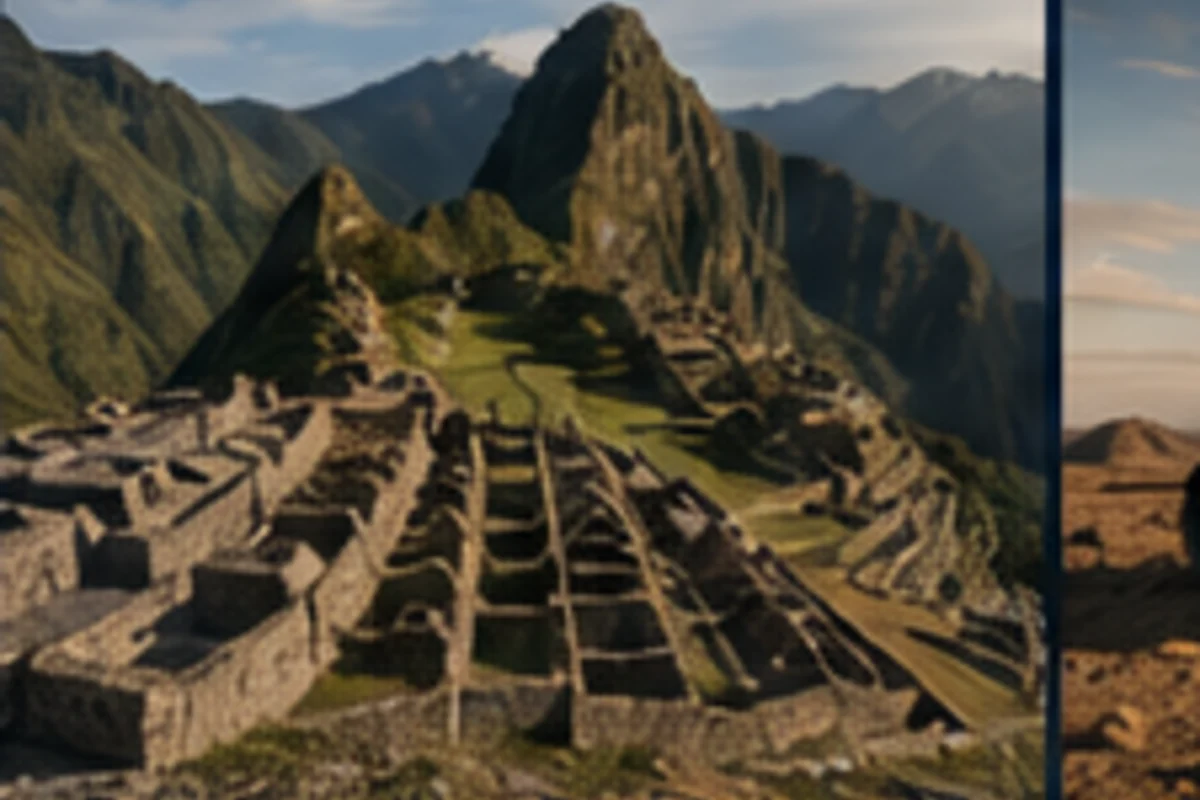
Field Schools
Field schools combine place-based inquiry, technical documentation, collaborative practice, and research outputs that remain useful after the course ends.
Overview
Every site requires preparation, local relationships, permissions, safety planning, cultural respect, and a clear research or educational purpose. Students should leave with methods, records, and a more disciplined understanding of what field evidence can support.
Archaeology, landscape, environmental systems, infrastructure, and regional history.
Island systems, marine environments, biological movement, heritage, and human adaptation.
Highland and tropical landscapes, archaeology, ecology, and community-centered inquiry.
Architecture, agriculture, exchange, materials, astronomy, and long-duration social systems.
Field-school structure
Regional scholarship, ethics, safety, methods, research questions, and equipment.
Systematic field notes, spatial records, photographs, samples, measurements, and interviews where appropriate.
Interpret findings in relation to context, prior work, uncertainty, and alternative explanations.
Produce reports, datasets, exhibits, translations, or tools useful to partners and future students.
Next step
Join the admissions list to receive program updates.